
Technical Specifications Zero-Line Pro (Laser) Edgebanding
Zero-Line Pro (laser) PP edgebanding: specifications, base and functional-layer characteristics, packaging and troubleshooting.
Download PDFProduct name
PP (Polypropylene) Edgebanding with PP-based laser functional layer (FL).
Producer
TECE Dekor A.S. — since 1987. BOSB 75. Yil Bulvari No:12 Nilufer / Bursa / Turkey.
Tel: +90 224 242 2100 (pbx). Fax: +90 224 243 8525.
Description
- Can be used on any kind of MDF and chipboard
- Perfect stick through functional layer
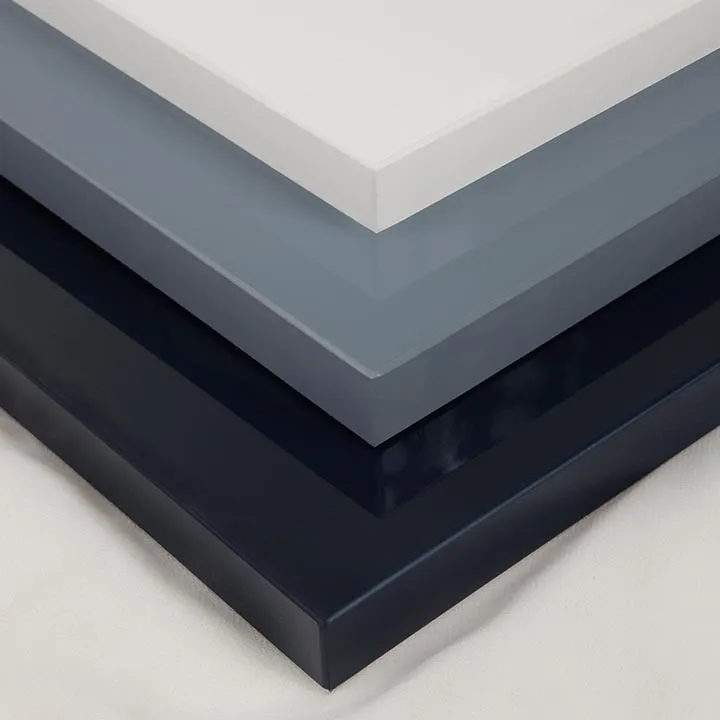
- Colorized opaque base
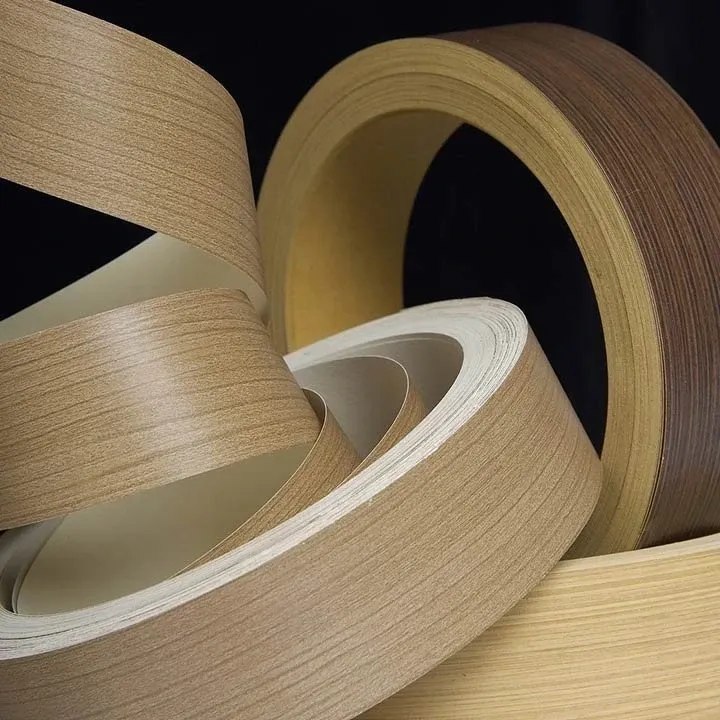
- Original wood pattern and colors
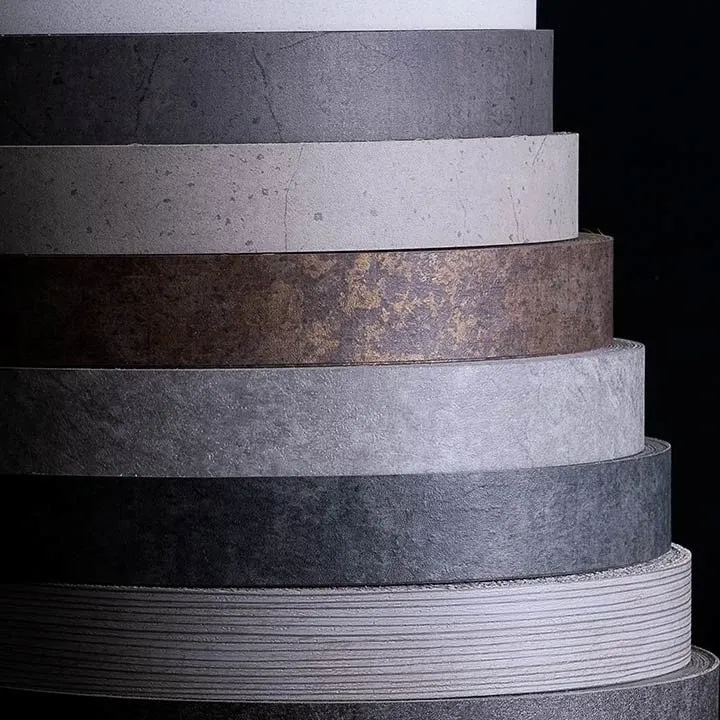
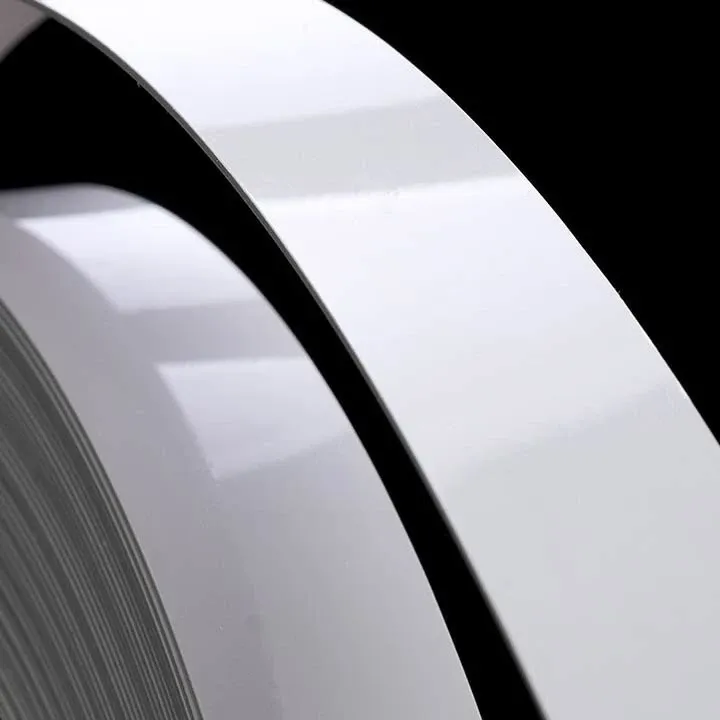
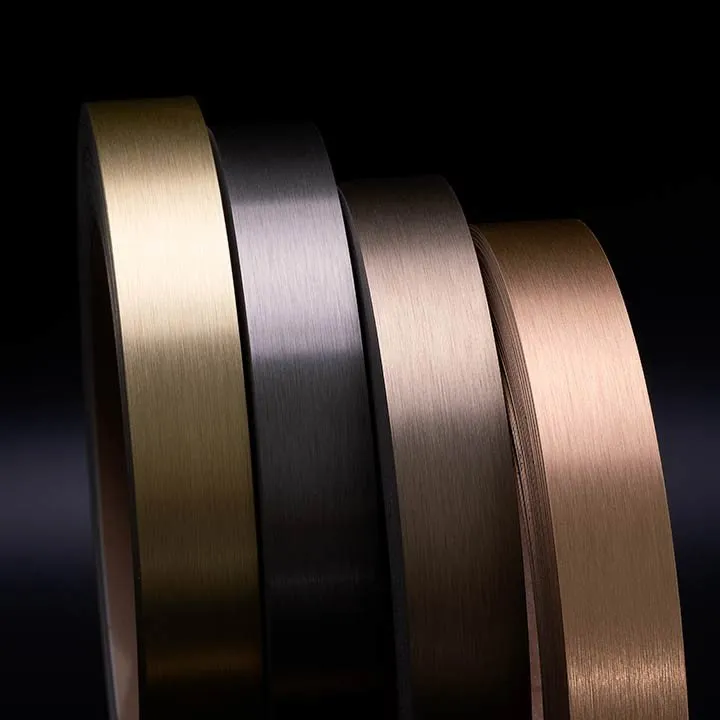
- Available surface finishes: Smooth, High Gloss and more...
- Excellent protection to physical damages
- Edgebanding applied to panels in all sort of furniture production
- Chlorine-free plastic
Specifications
Color: Due to the fact that sample and the actual product have been produced at different times there will be slight color variation. The edgebanding has a perfect color-match to its functional layer.
Color Variation in Solid-Colors: Maximum allowed deviation from the master sample to the new production is max. 1.0 on delta E*.
Color Fastness: All our products including PP laser edgebanding are printed or coated with inks / lacquer having light fastness values between 6 and 8 of blue wool-scale.
Gloss: The specified gloss determined by ISO 2813 is as follows (equipment reading angle 60°).
| Surface | Gloss |
|---|---|
| High Gloss Solid Colors | 90 ± 3 |
| High Gloss Woodgrains | 90 ± 3 |
| Woodgrains | 17 ± 3 |
| Embossed Surface | 7 ± 3 |
Dimensional Stability: During 1 hour at 80 °C the shrinkage is <0,5 %, according to own method.
Density: Range between 1.05 gr/cm3 and 1.10 gr/cm3 DIN 53479. according to the standard DIN 53479.
Characteristics
| Characteristics | Test Standard | Tece PP edgeband |
|---|---|---|
| Shore hardness D | DIN 53 505/ISO 868 | 75 ± 3 |
| Resistance to warping under heat Vicat B 50 (Deflection temperature underload, Softening Temperature) | ISO 306 B | 100 ± 2°C |
| Impact Resistance 23°C (Izot) | ISO 180 | 38 ± 3kJ/m2 |
| Tensile Strength | ISO 527 | 25 ± 3MPa |
| Tensile Strength | ASTM D 638 M | %14 ± 4 |
| Width | - | X* mm ± 0,5mm |
| Thickness | - | 1 mm +0.04 / -0.12; 1.2 mm +0.05 / -0.14; 2 mm +0.10 / -0.20 |
| Chemical Resistance | DIN 68 861 | Very Good (Class 1B) |
| Static Charge | - | Low |
* 19mm - 260 mm width
| Characteristics | Test Standard | Functional Layer |
|---|---|---|
| Shore hardness D | DIN 53 505/ISO 868 | 55 ± 4 |
| Basis | - | PP-based |
| Melting Point (DSC – Heating Rate 10 K/min) | DIN EN ISO 11 357-1 | 140 ± 10°C |
| Tensile Strength | ISO 527 | 25 ± 3MPa |
| Thickness | - | 0.2 mm ± 0.02 mm |
| Chemical Resistance | DIN 68 861 | Very Good (Class 1B) |
Available instructions
ABS edge banding can be processed on all sort of edgebanders (straight- processing and BAZ machining centers) using hot melt adhesive techniques. For each machine, it might require special adjustment in the process or in the parameters.
Packaging
Dimension of the box changes as the width of the product changes. The standard box dimensions are here below.
| Product thickness | Box dimensions | # of lines on pallet | # of boxes by pallet | Total pallet weight | Pallet size |
|---|---|---|---|---|---|
| 1,2 mm | 45 × 45 × 17 cm | 9 lines | 36 boxes | 8900 kg | W 100 cm; L 100 cm; H 181 cm |
| 1.5mm - 2mm; 2.5mm - 3mm | 12 × 59 × 59 cm | 10 lines | 40 boxes | 900 kg | W 120 cm; L 120 cm; H 150 cm |
Box for 1,2 mm product
Roll length is 150 meter.
| Thickness × width | What is inside of one box? |
|---|---|
| 1,2mm x 29mm | 750 meter |
| 1,2mm x 22mm | 1050 meter |
| 1,2mm x 19mm | 1200 meter |
Box for 1.5mm - 2mm and 2.5mm - 3mm product
Roll length is 100 meter between 1,5mm and 2mm of thickness. For 2.5mm - 3mm, roll length is 75 meter.
| Thickness × width | What is inside of one box? |
|---|---|
| 2mm x 29mm | 400 meter |
| 2mm x 22mm | 500 meter |
| 2mm x 19mm | 600 meter |
Available sizes
The width of the edgebanding may vary (such as 22mm. 33mm. 42mm. 44mm or etc). The standard length for zero-line pro is 100 mt. This can change based on demand and thickness. Minimum thickness for zero-line pro is 1mm and maximum is 3mm.
Storage
The recommended storage temperature is between 18° and 25 °C. The product should be used up to 24 months after production date.
Cleaning
After the application of edgebanding to the board, remainder of the glue can be cleaned. To clean Zero-Line Pro (Laser) edgebanding we recommend you to use special cleaning materials for PP. A test of the cleaning material is always recommended.
Whitening edges
While processing edgebanding thicker than 1 mm (especially the ones with dark colors like wenge and cherry) the edgebanding might be prone to whitening on the trimmed edges.
This whitening can be removed by making sure that the trimming blades are sharp and the edgebanding machine uses the right polishing by a subsequent polishing chemical.
Common issues and solutions
In the below table you can see some of the common errors during processing of Zero-Line Pro (Laser) edgebanding and recommended solutions. After following these instructions if the problem still persists please get in touch with Tece staff.
Problem: For thickness above 1mm the color shade in the trimmed side is becoming , white or getting slightly lighter...
Suggested solution:
- Polishing unit must be active with the proper chemicals inside. Polishing makes the edgebanding to get back to the original color.
- Make sure that the trimming knives are sharp and set to right position.
Problem: The edgebanding is easily being pulled off by hand...
Suggested solution:
- Make sure that the room temperature is minimum 15 °C.
- Make sure that the board and the edgeband are not too cold. They must be stored and processed above 15 °C.
- Make sure that the machine is adjusted to the right energy, heat and speed levels. There will be different energy and speed settings for different colors or for different machines.
Problem: The functional layer is delaminated easily after pulling off the edgeband from the board...
Suggested solution:
- Make sure that the energy setting is proper and not too high.
- Make sure you have let the edgeband to cool down for at least couple of hours.
Problem: While processing with Hot-Air, Plasma and NIR, the tensile strength is low...
Suggested solution:
- Make sure that the right energy parameters are used.
- Make sure that the temperature is stable along the process.
- Make sure the air pressure and the relatedparameters are properly working.
- Make sure that the line speed is not too high.
- In case above suggestions do not work, please test at higher temperature and/or lower speed.