
Customer Experience With Tece and Handled Panels
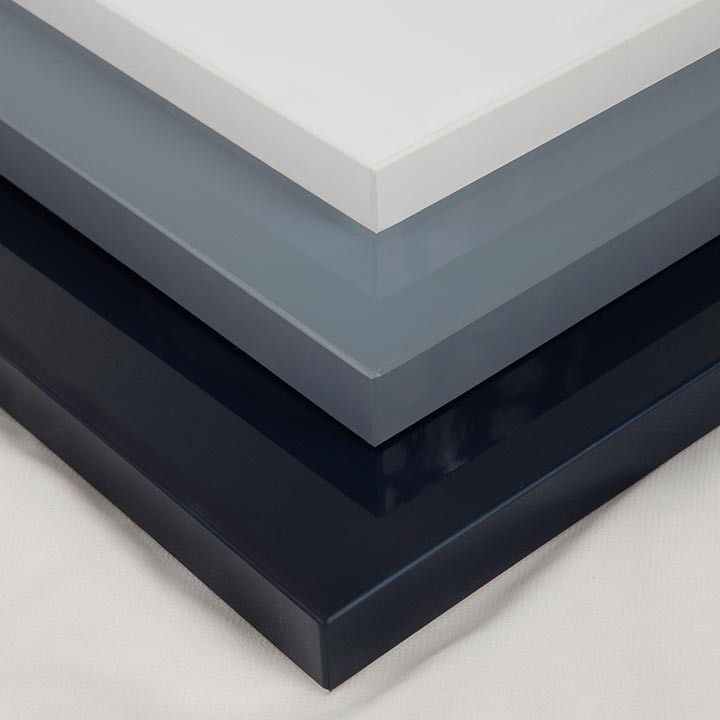
Most edgebanding is never touched. It seals the panel edge, matches the face, and stays out of sight. Its job is to disappear.
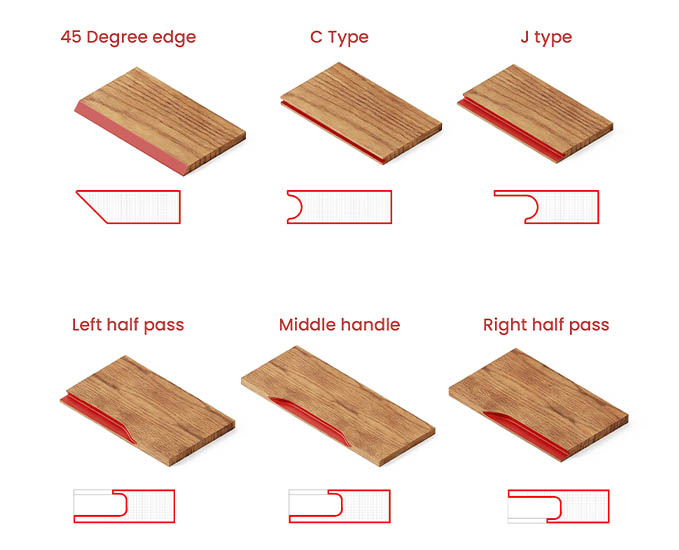
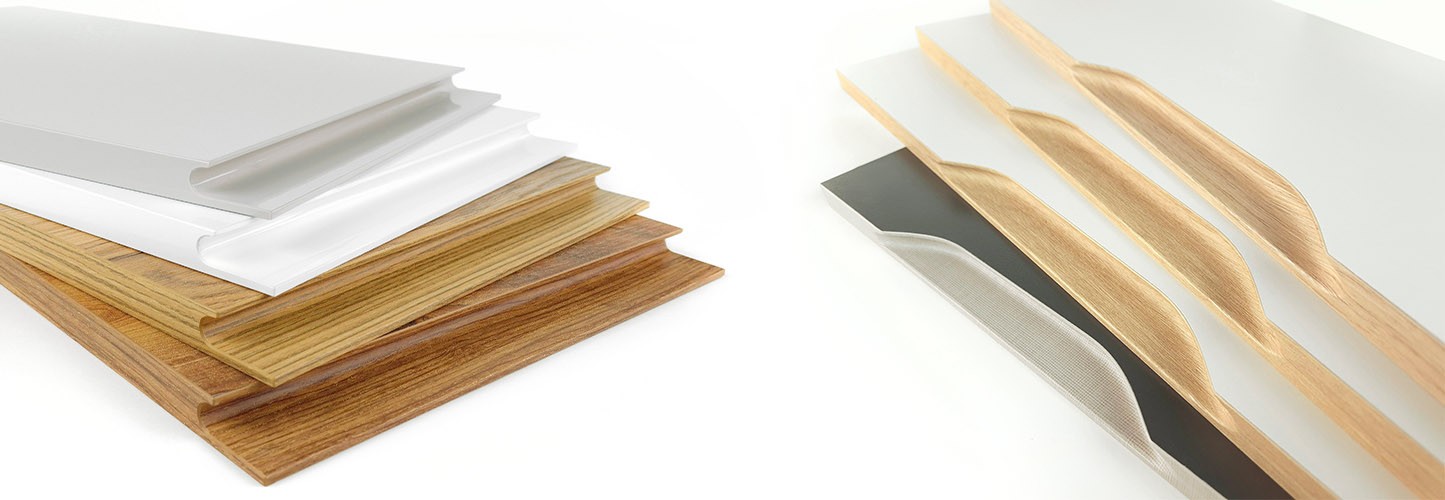
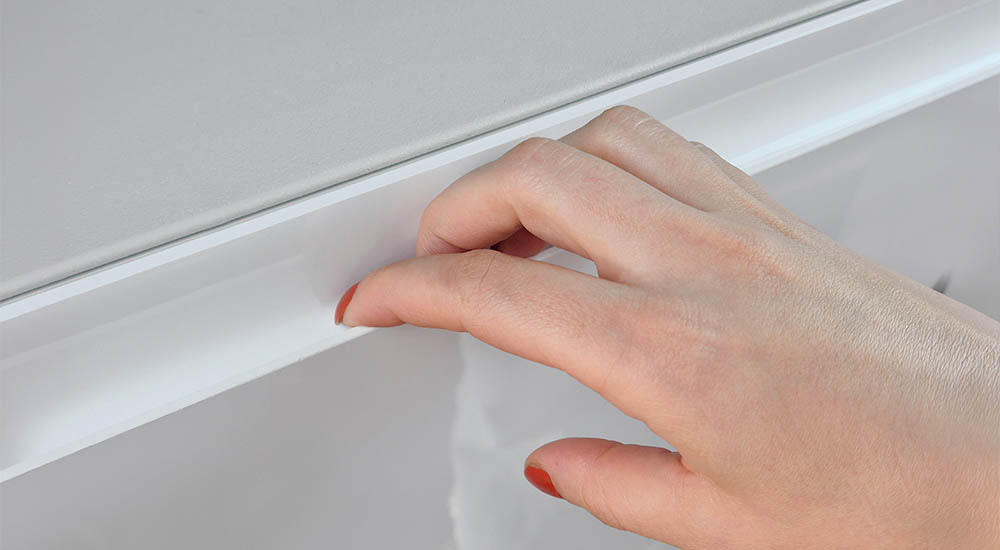
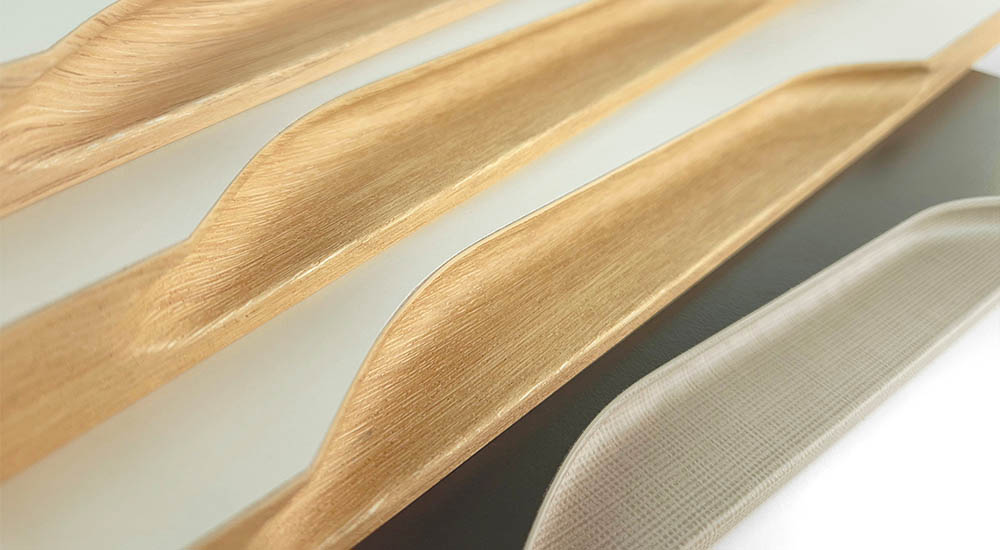
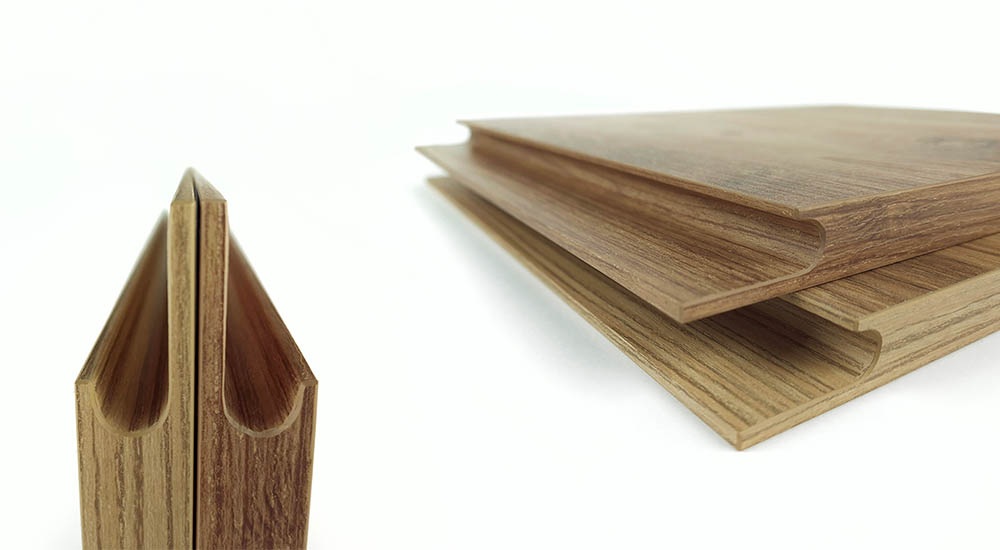
J-handle doors work differently. The profile routed into the panel face is the handle — and the edgebanding on that curve is pressed, pulled, and gripped every single time someone opens a cabinet or a drawer. It does not get to disappear. It has to hold.
That changes everything about what you need from a material.
Egepres Wood Products is one of Turkey's most established names in the door and panel manufacturing sector. Founded in 1979 in Izmir, the company has grown from a 60-square-meter workshop into a 6,000-square-meter production facility in Torbalı — and has spent nearly five decades building a reputation for bringing new categories to market before anyone else.
J-handle doors are one of those categories. Egepres has been producing them for over ten years — long before the format became the industry standard it is today. We spoke with Fikri from Egepres about how the company made that call, what the production actually demands, and what a long-term supply partnership with TECE looks like in practice. You can watch that conversation in the video below.
A Bet Made Ten Years Ago
The handleless furniture trend did not happen overnight. But the companies that moved early are the ones that define the market now.
"Ten years ago, our leadership foresaw that there would be demand for this kind of product. The conclusion was reached, and the investment in machinery was made."
— Fikri, Egepres Wood Products
That foresight has paid off. Today, demand for J-handle doors is at levels that validate everything that was anticipated — and then some.
"High gloss, matte, soft, wood — in every product group, handleless and J-handle doors are preferred. We can say there are no areas left where they are not being used."
— Fikri, Egepres Wood Products
Three Components. No Shortcuts.
When asked what J-handle door production actually requires, Fikri is direct. There are three things — and all three have to be right.
"First, it's the machine. It needs to be the right quality, suitable for J-handle work, and capable of producing at that level. Then it's the quality of your adhesive. And then the quality of the PVC edgebanding you use on the J-handle. These three components define your quality at the finishing point of the door."
— Fikri, Egepres Wood Products
Not one of them is optional. A high-end machine with inferior edgebanding produces an inferior product. And the edgebanding demands on a J-handle profile are simply greater than those on a straight edge — because a curve is involved. The material has to flex under pressure without stress marks, hold its finish under daily hand contact, and maintain its appearance over years of use.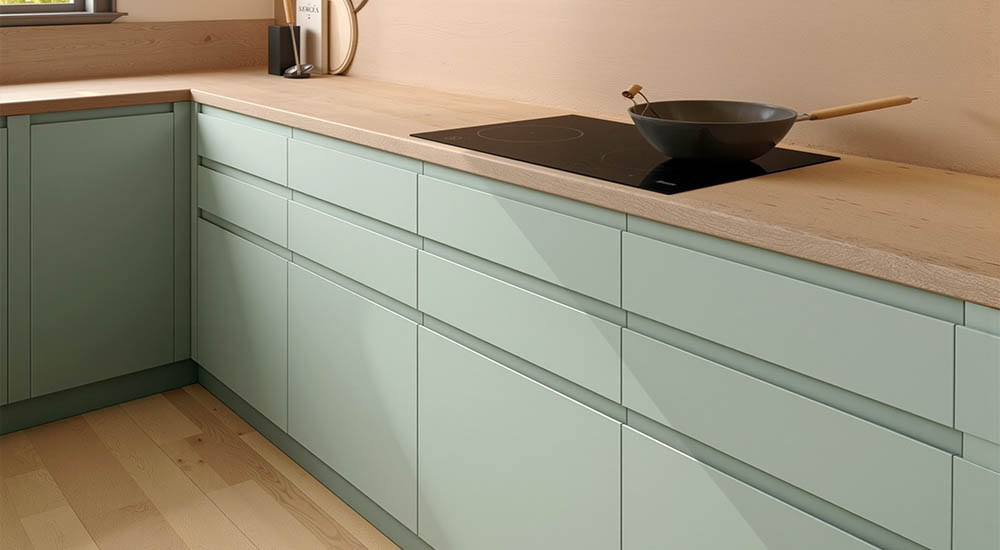
"Investing in the machine alone is not enough. The edgebanding quality also needs to be top-notch — more so than for a straight edge, because there is a curve."
— Fikri, Egepres Wood Products
"In all three areas — machinery, edgebanding, and adhesive — we work with the most reputable, high-quality partners. That is why we have proven ourselves in the industry."
— Fikri, Egepres Wood Products
What TECE Established with Egepres
The TECE and Egepres relationship is not a transactional one. It is a standards conversation — an ongoing alignment between what the production requires and what the material delivers.
"We expressed our expectations and requirements. TECE runs the necessary tests and delivers the edgebanding at a consistently high level."
— Fikri, Egepres Wood Products
The two requirements that matter most to Egepres are workability and color continuity. Workability means the PVC behaves predictably on the machine — bending cleanly, bonding securely, finishing without fault. Color continuity means something else: it means that a color specified two years ago arrives exactly the same when reordered today.
"The color I provided two years ago has to match the color I order now. For bulk orders and repeat jobs, this is critical. We have built that standard with TECE. Hopefully, this partnership continues for many years."
— Fikri, Egepres Wood Products
That kind of consistency is not an accident. It is the result of a calibrated production process, disciplined raw material sourcing, and a supplier relationship where expectations are communicated clearly and met reliably. For Egepres — a company whose business depends on delivering the same door, in the same color, at the same quality, month after month — it is not a nice-to-have. It is the foundation of the product.
To learn more about TECE's edgebanding range for J-handle and profiled door production, or to discuss your specific requirements, get in touch with our team.