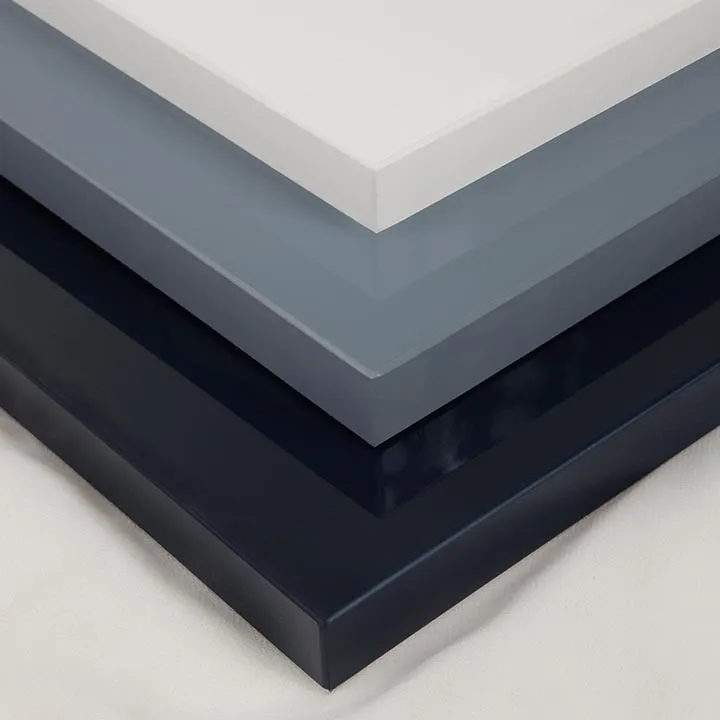
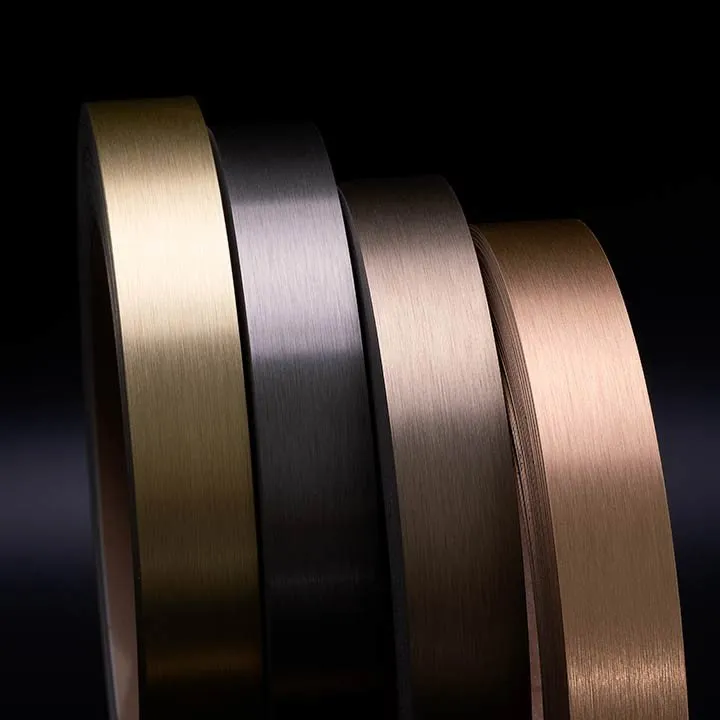
Can Furniture Colors Be Like Car Colors?
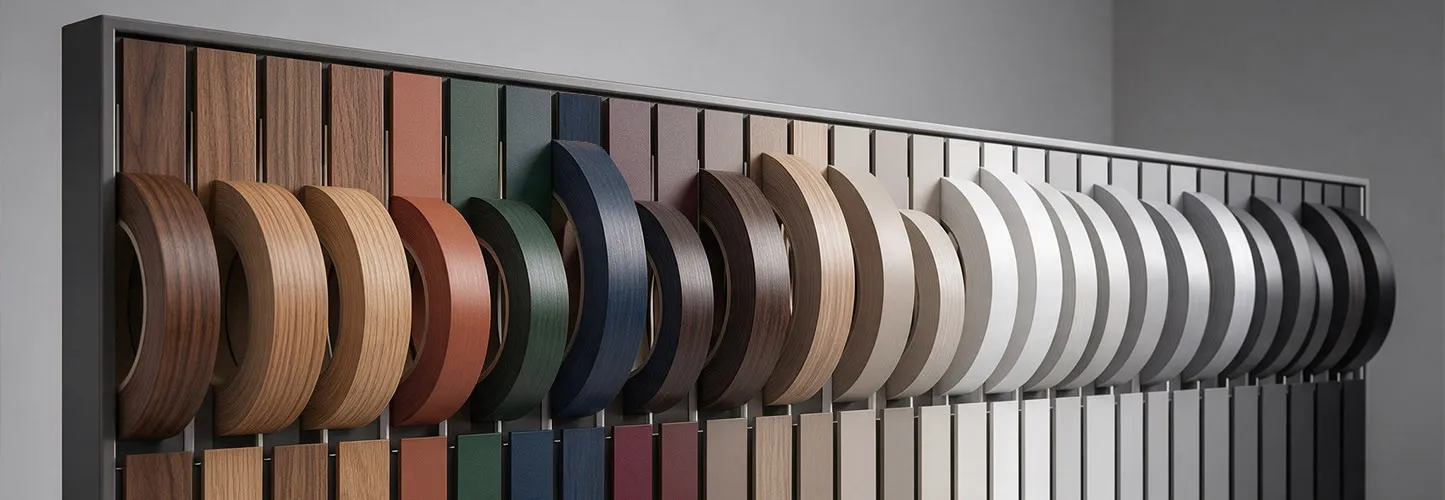
Cars Lost Their Colors. Is Furniture Next?
Cars converged to just three colors in thirty years white, black and gray now make up over 80% of vehicles on American roads. Is furniture headed the same way? The data says: not yet, and maybe not ever.
Look at American roads in 1996 and today, side by side, and something has quietly disappeared. In 1996, car buyers spread their money across a real spectrum: 20% red, 13% green, 14% black, and only 4% gray. By 2025, that spectrum has collapsed. White, black, gray and silver alone now account for over 80% of the vehicles on the road, up from 47% thirty years ago. Red and green combined once more than a third of every car sold now make up less than a tenth.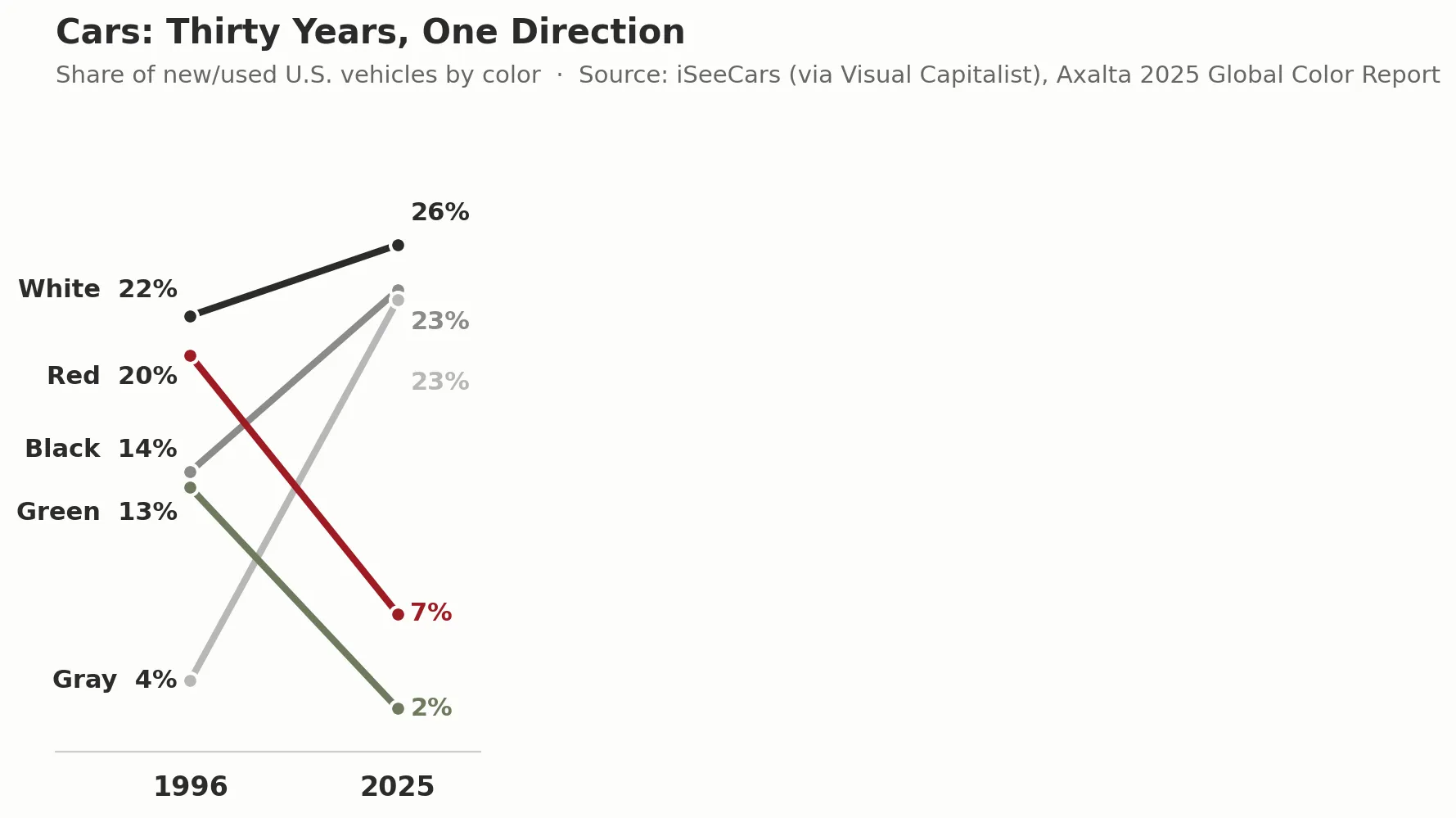
Global data from paint supplier Axalta's 2025 report tells the same story worldwide: white, black and gray now make up roughly three-quarters of new vehicles built anywhere on earth, regardless of market.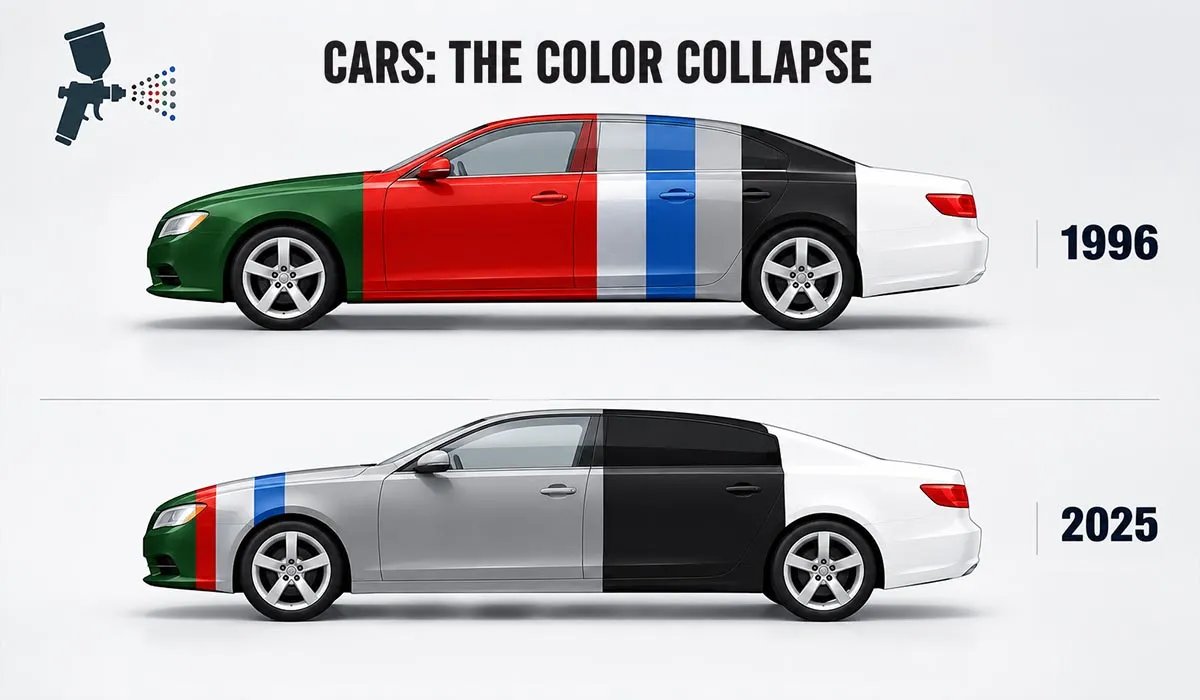
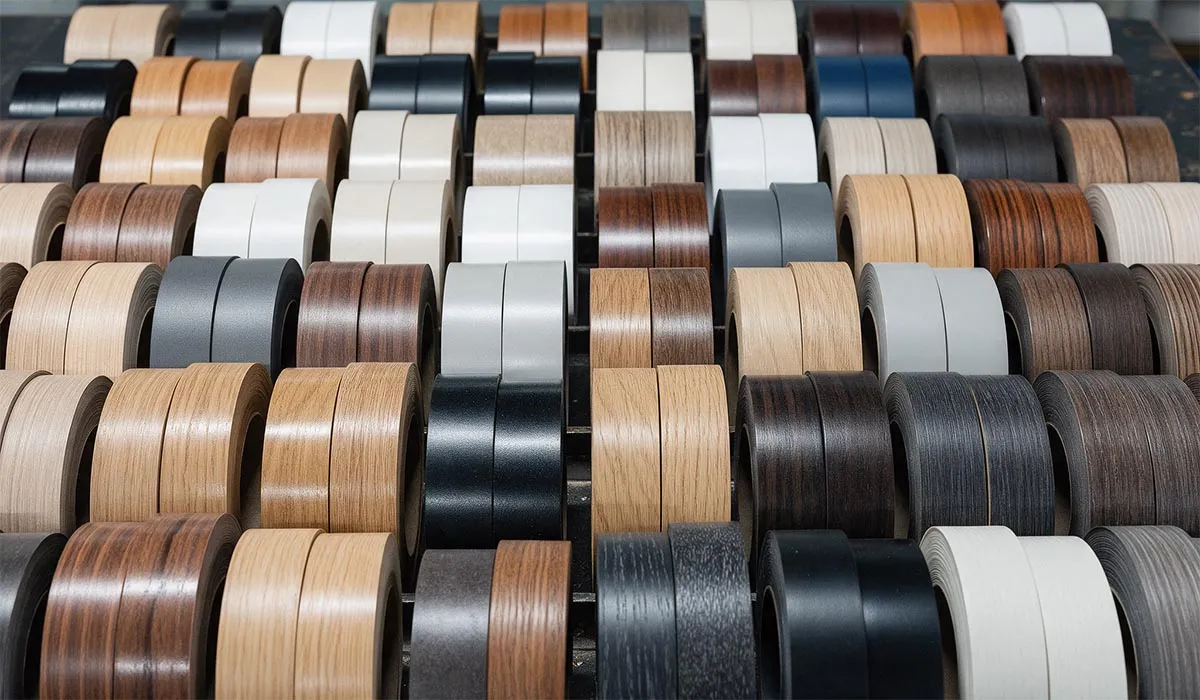
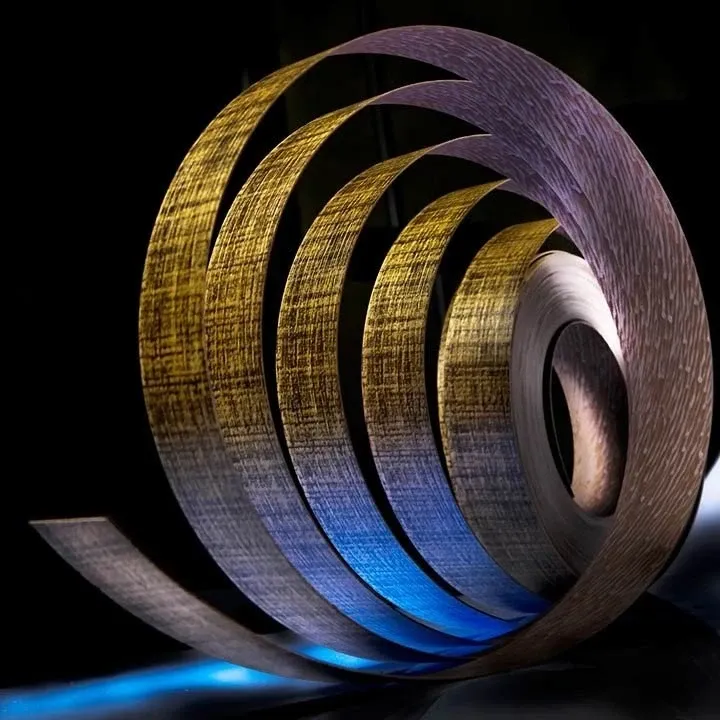
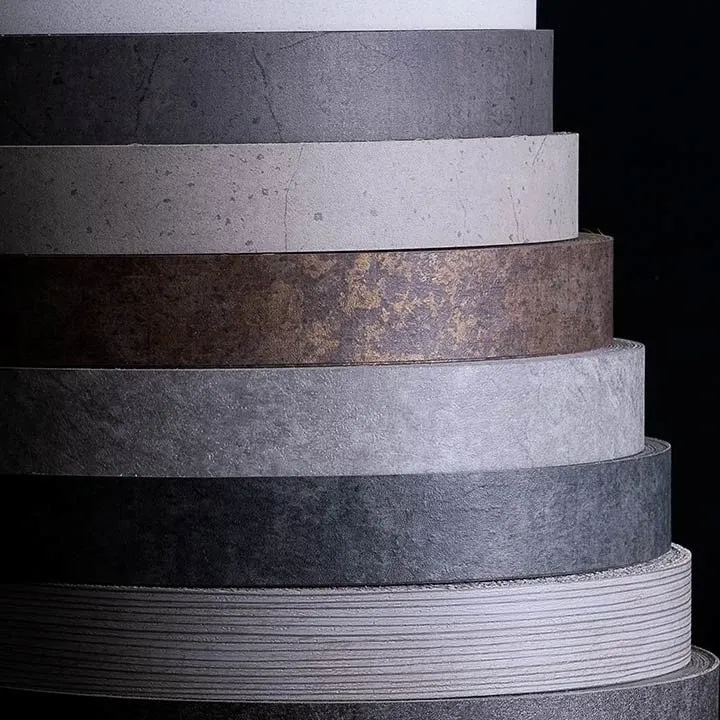
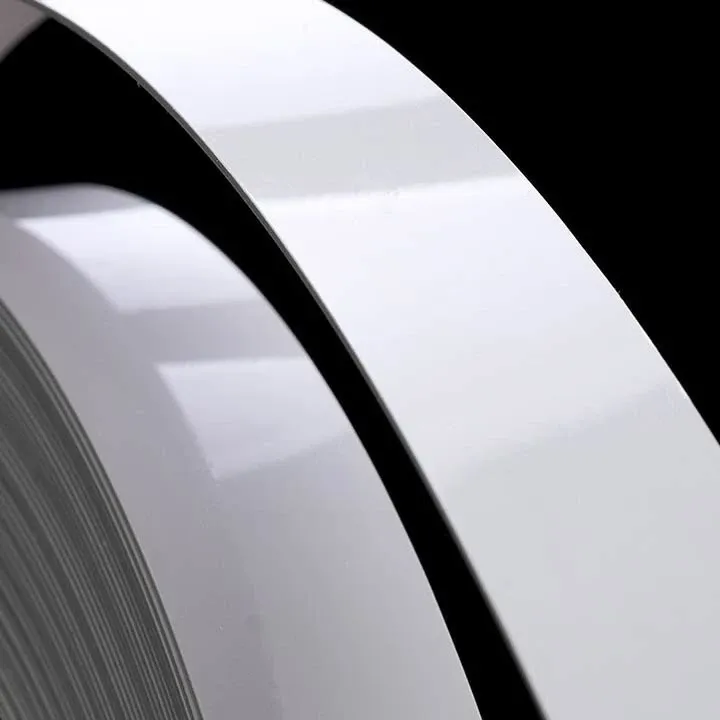
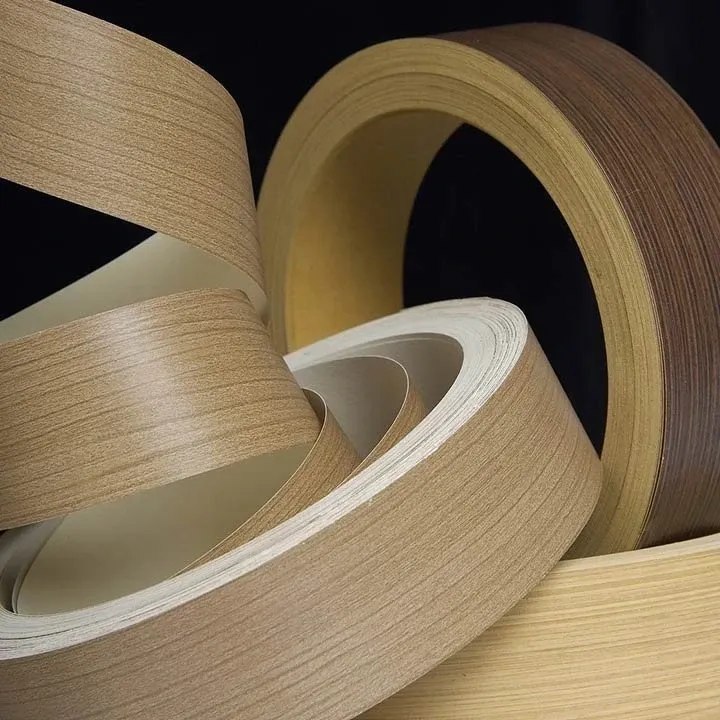
It's a striking chart, and it raises an obvious question for our own industry. Right now, white is still the most requested color in the panels and edgebanding that pass through our factory. Sonoma oak comes second, walnut third and after that, a long tail of decors that a lot of manufacturers would consider commercially unjustifiable to keep in stock. Are we, thirty years from now, going to look back at that tail the way the auto industry now looks back at 1996 a more colorful, slightly reckless past we eventually grew out of?
The early evidence says no and for a specific reason
Look at kitchens, the room where color decisions get made most often and most personally. In the U.S., white cabinets have actually been losing ground: down to 28% of new kitchen projects in 2025, from 33% just a year earlier, and well below the 40–46% white commanded through much of the 2010s. Taking its place isn't gray or another neutral it's wood tones, which climbed from 23% to 29% of preference over the same twelve months.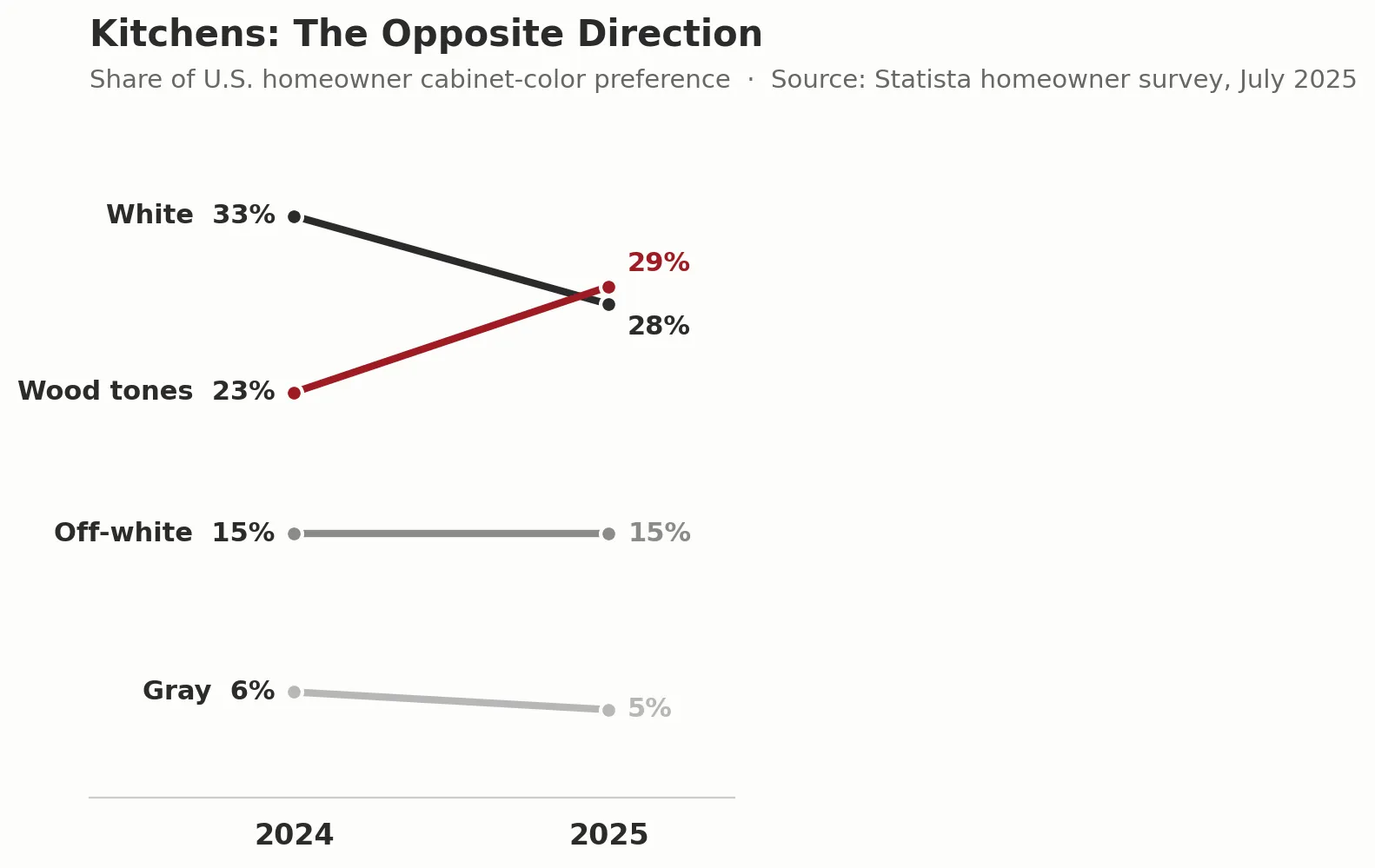
The panel manufacturers who actually set decor trends are moving the same direction. Egger's newest decorative collection, launching in 2026, leans hard into what its own product manager calls “warm neutrals” over “the previously dominant palette of white, black, and gray” twelve new decors including caramel beige, muted plum, deep jade, and four new woodgrains. Their own line for it: “Beige is the new white.” That is not a company preparing to shrink its color archive. It's one betting its next collection on expanding it.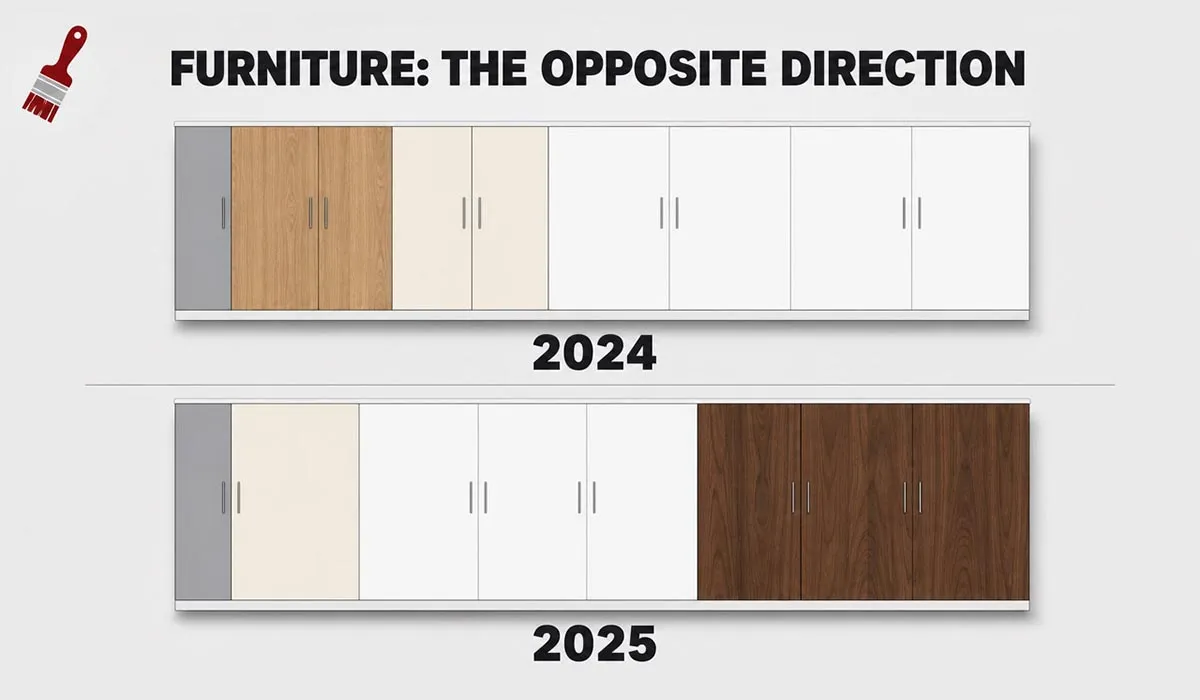
Why the divergence?
It comes down to what each object is actually for. A car is a depreciating asset that has to be resold to a stranger dealers, fleet buyers and rental companies have spent thirty years quietly steering buyers toward whatever resells fastest to the widest audience, and that has turned out to be white, black and gray. A kitchen or a piece of furniture isn't resold to a stranger next year; it's lived in, for a decade or two, by the person who chose it. There's far less commercial pressure toward the color everyone can agree on, and far more toward the color one household actually wants to wake up to.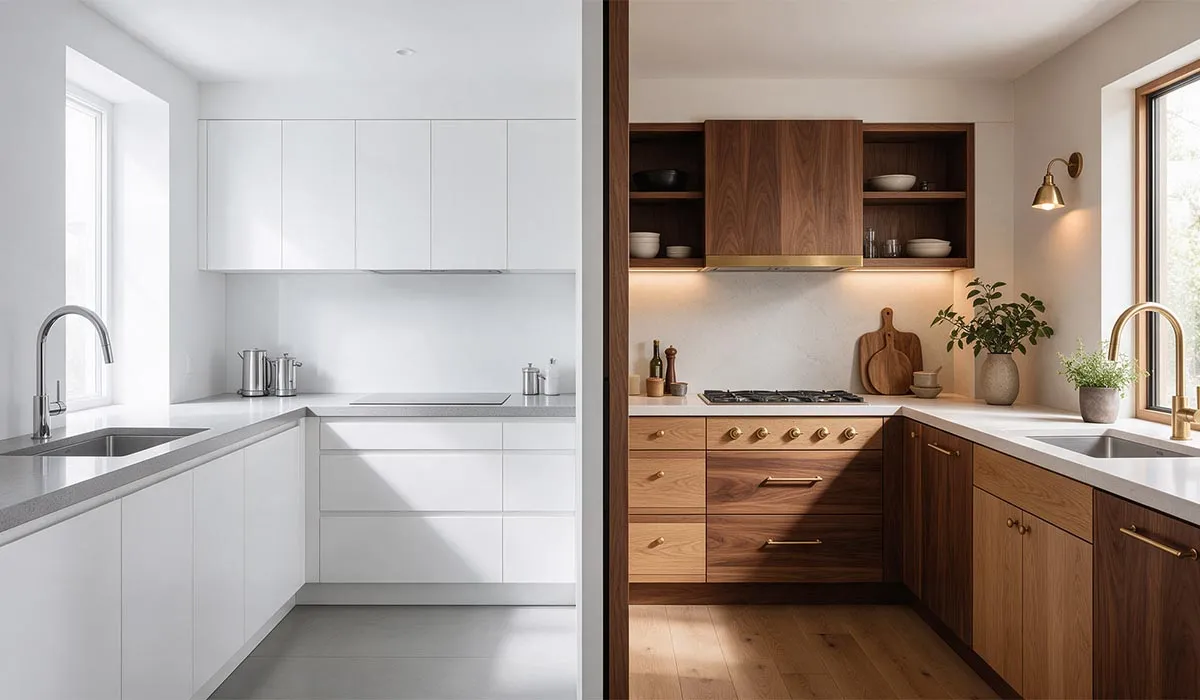
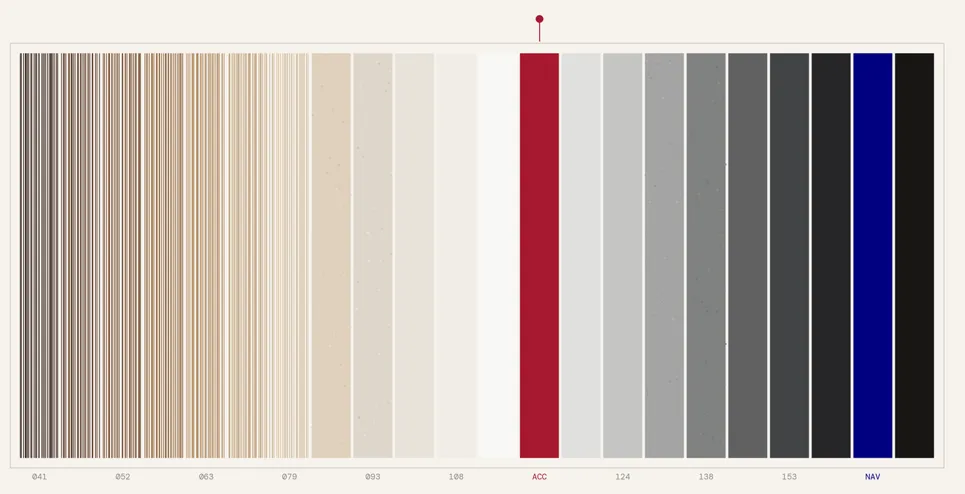
There's a manufacturing reason too. Repainting a car body a new color means retooling a paint line built for hundreds of thousands of units at a time. Adding a new edgebanding decor means running a new pattern through a printing cylinder we already own. The cost of variety is structurally lower in our industry than in theirs which is exactly why an archive of a thousand-plus colors is viable for us in a way a thousand-plus paint options never was for an auto plant.
A caveat worth sitting with
None of this means the pressure toward consolidation is imaginary. Large-scale developers and spec-built housing the closest thing furniture has to a fleet buyer do favor a narrower, safer palette, for exactly the same reasons rental-car companies do: faster turnover, lower risk, easier standardization across hundreds of units at once. If that segment keeps growing relative to custom and semi-custom work, it could pull average color counts down even while designer-led collections keep expanding at the top. It's a real tension, not a question with a single settled answer.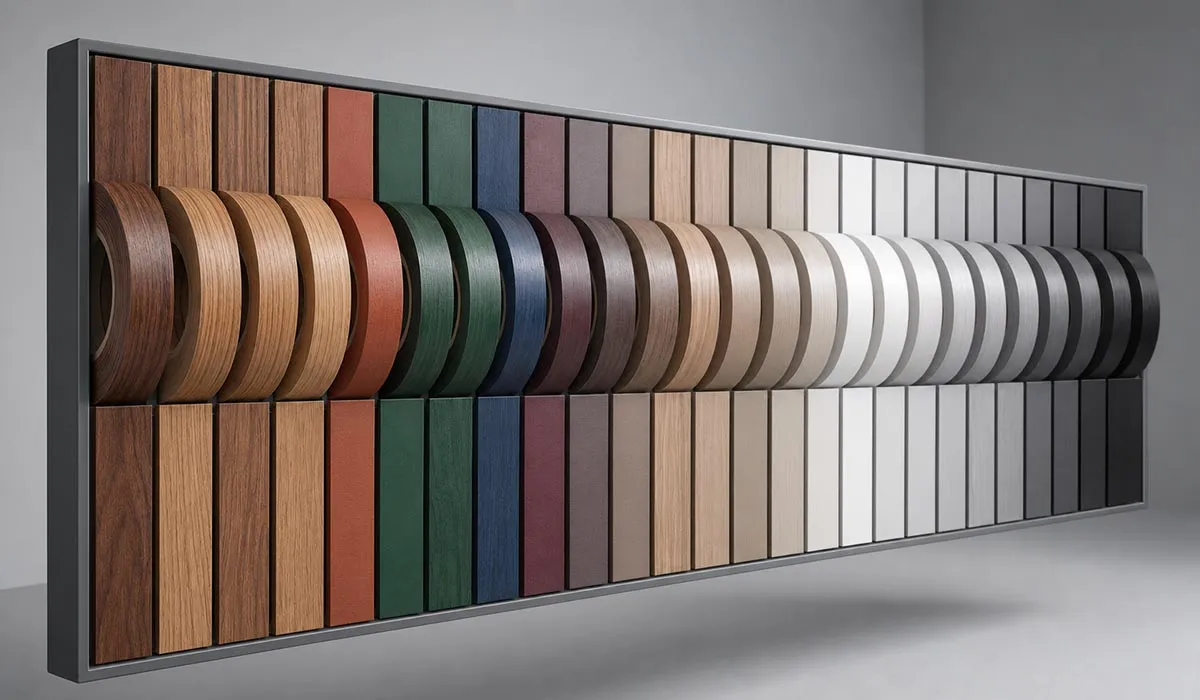
Where that leaves us
For now, the honest read of the data is that furniture and cars are moving in opposite directions, not the same one. It's worth remembering why we've built this company around an archive of colors deep enough that there's a Tece edgebanding for every panel, rather than betting on which handful of colors will win. If the auto industry's last thirty years teach us anything, it's how quickly a market can narrow once the economics point that way. Our job is to make sure that if the furniture industry's story goes differently, we're not the reason it can't.